.png)
Condo vs House: Which One Is Right For You?
If you're thinking about buying a home, one of the biggest decisions you'll face is whether to purchase a condominium or a single-family home. Both options offer advantages — and both come with tradeoffs.
The right choice depends on your lifestyle, budget, maintenance tolerance, and long-term plans. Some buyers love the convenience of condo living, while others prefer the freedom and privacy of owning a house.
Here’s a straightforward breakdown to help you decide.
What Is a Condo?
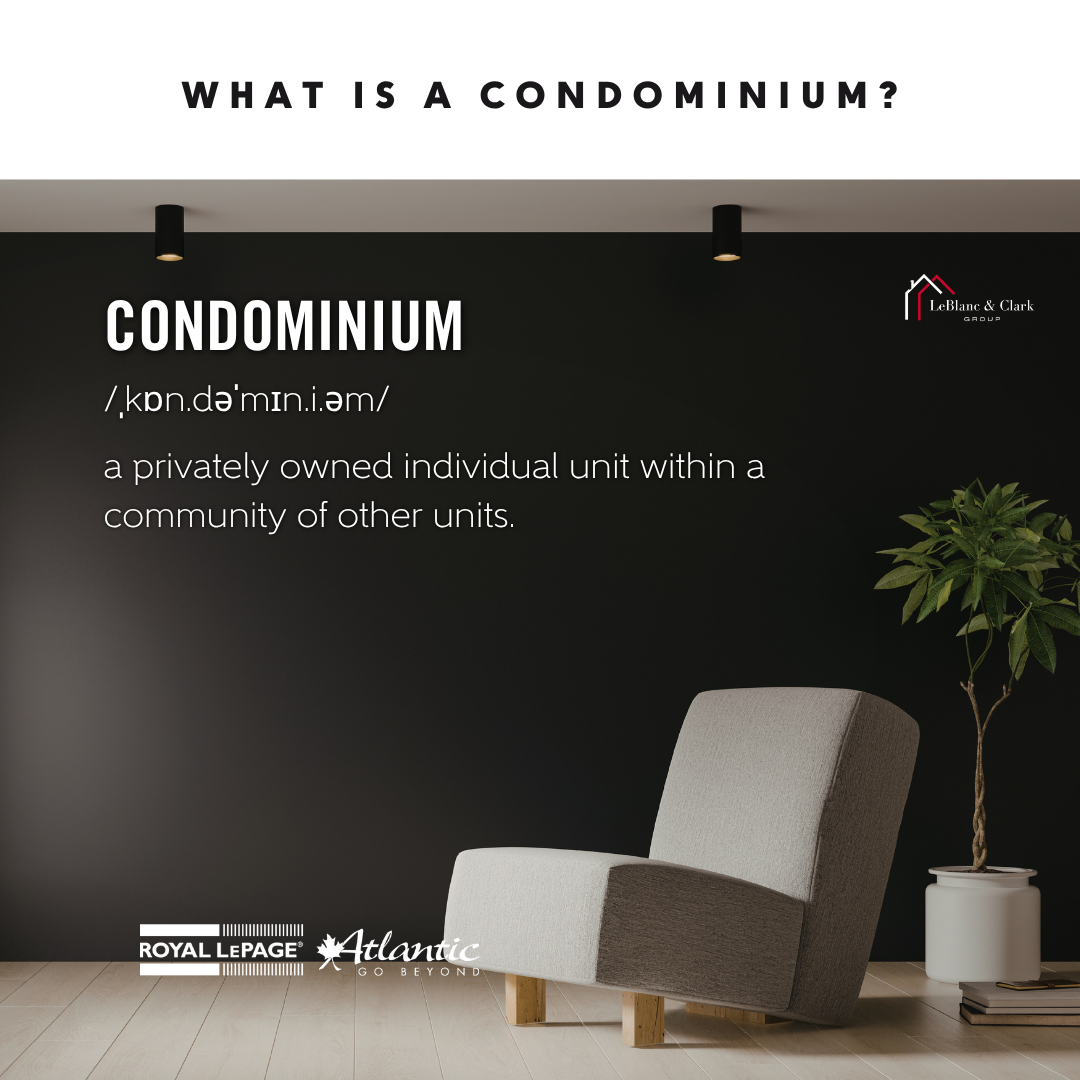
A condominium is a privately owned unit within a building or community. You own your individual unit, but shared areas like hallways, roofs, elevators, parking lots, and landscaping are collectively owned and maintained by the condo corporation.
Owners pay monthly condo fees to cover maintenance, repairs, insurance on common areas, and sometimes utilities or amenities.
Condo Living: Pros
Lower Maintenance
One of the biggest advantages of condos is reduced maintenance. Snow removal, lawn care, exterior repairs, and building upkeep are handled by the condo corporation.
This is ideal for:
- Busy professionals
- Downsizers
- Travelers
- First-time buyers
- Investors
Lower Purchase Price (Usually)
Condos often have a lower entry price than single-family homes, making them more accessible for buyers entering the market.
Amenities
Some condo buildings offer:
- Underground parking
- Gyms
- Pools
- Common rooms
- Storage units
- Security systems
These can add convenience without the responsibility of maintaining them.
Lock-and-Leave Lifestyle
If you travel frequently or want flexibility, condos are appealing. You can leave without worrying about mowing the lawn or shoveling snow.
Condo Living: Cons
Monthly Condo Fees
Condo fees are required and can increase over time. While they cover maintenance, they also impact affordability.
Important note:
Low condo fees aren’t always better. Sometimes they mean the building isn’t saving enough for future repairs.
Less Privacy
Shared walls, hallways, elevators, and parking areas mean less privacy compared to a single-family home.
Noise levels can vary depending on building construction.
Rules and Restrictions
Condo corporations often have rules around:
- Pets
- Rentals
- Renovations
- Parking
- Use of balconies
- Noise
Some buyers appreciate structure. Others find it restrictive.
Special Assessments
If major repairs are needed and the reserve fund is insufficient, owners may be required to pay a lump sum (called a special assessment).
This is why reviewing condo documents is critical before buying.
Single Family Homes: Pros
Privacy
You don’t share walls with neighbors. This is a major factor for many buyers.
More Space
Single-family homes typically offer:
- Yards
- Driveways
- Garages
- Basements
- Storage space
This is ideal for families, pets, and buyers wanting room to grow.
No Condo Rules
You have more freedom to:
- Renovate
- Paint
- Landscape
- Add structures
- Rent portions of the property
Long-Term Appreciation
Single-family homes often see stronger long-term appreciation, particularly in desirable neighbourhoods.
Single Family Homes: Cons
More Maintenance
When you own a house, you're responsible for:
- Roof
- Windows
- Siding
- Lawn care
- Snow removal
- Heating systems
- Plumbing
- Repairs
There’s no condo corporation to call.
Higher Purchase Price
Single-family homes typically cost more than condos, which can impact affordability.
Unexpected Costs
Major repairs can arise without warning:
- Roof replacement
- Foundation work
- Furnace replacement
- Water damage
These costs fall entirely on the homeowner.
Condo vs House: Quick Comparison
Condo may be better if you:
- Want low maintenance
- Travel frequently
- Prefer a lower price point
- Like amenities
- Don’t need a yard
- Want simplicity
House may be better if you:
- Want privacy
- Need space
- Have pets
- Want freedom to renovate
- Prefer no condo fees
- Plan to stay long term
What About Resale Value?
Both condos and houses can be good investments. However, resale depends on:
Location
Building condition (for condos)
Condo fees
Market conditions
Supply and demand
Property condition
A well-located condo in a strong building can outperform a poorly located house — and vice versa.
The Real Answer: It Depends on Your Lifestyle
The best choice isn’t about which is better — it’s about what fits your life right now.
Some buyers start with a condo and move into a house later.
Others sell their house and downsize into a condo.
Some never want anything except a single-family home.
There’s no wrong answer.
Not Sure Which One Is Right For You?
If you're debating between a condo and a house, the best approach is to look at both options and compare them based on your budget, lifestyle, and goals.
I help buyers do this every day — and often the right answer becomes clear once you see both side by side.
If you're thinking about buying and want help deciding, reach out anytime. I’m happy to walk you through both options.
Lindsay